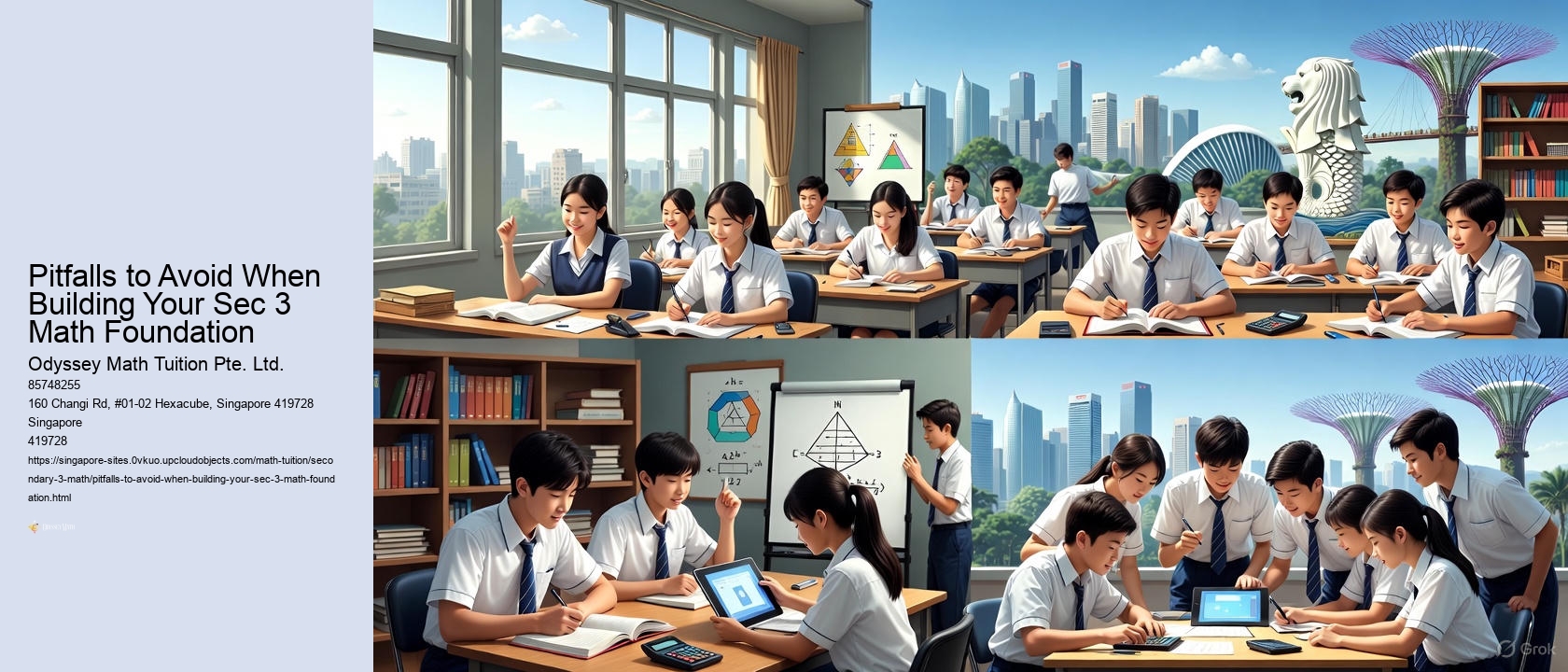
Introduction: The Importance of a Dedicated Study Space
Okay, lah, parents and Sec 3 students! In this nation's rigorous education structure, parents perform a crucial part in leading their children through key tests that form academic trajectories, from the Primary School Leaving Examination (PSLE) which tests basic abilities in subjects like mathematics and scientific studies, to the GCE O-Level tests focusing on secondary-level proficiency in varied disciplines. As students progress, the GCE A-Level tests demand advanced logical skills and subject command, often influencing higher education placements and career directions. To stay updated on all aspects of these national evaluations, parents should check out formal information on Singapore test papers provided by the Singapore Examinations and Assessment Board (SEAB). This guarantees entry to the most recent syllabi, assessment timetables, sign-up information, and guidelines that align with Ministry of Education criteria. Consistently referring to SEAB can assist households get ready efficiently, reduce doubts, and bolster their offspring in attaining peak performance amid the challenging environment.. In today's competitive educational scene, many parents in Singapore are looking into effective ways to enhance their children's comprehension of mathematical principles, from basic arithmetic to advanced problem-solving. Creating a strong foundation early on can substantially improve confidence and academic performance, helping students conquer school exams and real-world applications with ease. For those investigating options like secondary 3 math it's vital to prioritize on programs that highlight personalized learning and experienced support. This method not only addresses individual weaknesses but also fosters a love for the subject, contributing to long-term success in STEM-related fields and beyond.. Let's talk about the real deal when it comes to acing those exams, especially the dreaded Math. We all know Singapore education is no playground; it's a serious sprint. And in this sprint, your study area is your starting block.
Why is a dedicated study space so crucial? Imagine trying to solve simultaneous equations while your little brother is blasting Blackpink and your Ah Ma is watching her favourite Mediacorp drama. Cannot, right? A well-designed study area is your sanctuary, a place where focus blossoms and distractions wither. It's about creating an environment that whispers, "Hey, time to conquer those quadratic equations!"
Think of it this way: a good study space isn't just about good grades; it's about reducing stress. Secondary 3 is already a pressure cooker year. A dedicated, organized space helps you feel in control, making the mountain of textbooks seem a little less daunting. It's about mental well-being as much as academic performance. We're talking about setting your child up for success in the O-Levels and beyond. And let's be honest, in this day and age with AI breathing down our necks, a solid foundation in Math is like having a superpower. You want your child to be creating the AI, not being replaced by it, right?
Pitfalls to Avoid When Setting Up a Study Area
So, you're ready to create the ultimate study haven? Steady pom pi pi! Here are some common mistakes Singaporean parents (and students!) make, and how to avoid them:
The "Anywhere Also Can" Mentality: Don't just plonk your child down at the dining table amidst the chaos. This is a recipe for disaster. A consistent, designated space signals to the brain that it's time to focus.
The Clutter Monster: Singapore is small, we understand. But a cluttered desk is a cluttered mind. Pencils, erasers, old worksheets, that half-eaten packet of Khong Guan biscuits... Clear it all! Marie Kondo your study space, lah.
The Tech Temptation: Handphone, tablet, gaming console... the enemies of concentration! Keep these distractions at bay. Consider using website blockers or apps that limit screen time during study hours. Your child will thank you later (maybe).
The Ergonomic Nightmare: A bad chair and a poorly positioned monitor can lead to back pain, neck strain, and headaches. Invest in a good ergonomic chair and ensure the monitor is at eye level. Health is wealth, especially during crucial exam years.
The Lighting Lowdown: Dim lighting strains the eyes and makes you feel sleepy. Opt for bright, natural light if possible. If not, use a good desk lamp with adjustable brightness.
Creating a Conducive Study Environment
Okay, so you've avoided the pitfalls. Now, let's build that study haven!
Location, Location, Location: Choose a quiet area away from the hustle and bustle of the household. If possible, select a room with a door that can be closed to minimize distractions.
Subtopic: Soundproofing Strategies: Short of building a recording studio, consider soundproofing measures like thick curtains, rugs, or even acoustic panels to absorb noise.
In the rigorous world of Singapore's education system, parents are increasingly focused on preparing their children with the skills needed to excel in intensive math programs, encompassing PSLE, O-Level, and A-Level exams. Spotting early indicators of difficulty in areas like algebra, geometry, or calculus can create a world of difference in building tenacity and mastery over complex problem-solving. Exploring dependable math tuition Singapore options can deliver tailored support that corresponds with the national syllabus, guaranteeing students acquire the boost they require for top exam performances. By emphasizing dynamic sessions and steady practice, families can assist their kids not only meet but exceed academic standards, paving the way for prospective opportunities in high-stakes fields..
Organization is Key: Invest in storage solutions like shelves, drawers, and organizers to keep everything in its place. Color-coding can also be helpful for organizing different subjects.
Subtopic: The Power of Labelling: Label everything! This makes it easier to find what you need and prevents things from getting misplaced.
Personalize the Space: While minimizing distractions is important, adding a few personal touches can make the space more inviting. A plant, a motivational poster, or a favorite photo can all help create a positive atmosphere.
The Right Tools for the Job: Make sure your child has all the necessary tools at their fingertips: pens, pencils, erasers, rulers, calculators, and of course, their textbooks and notes.
Subtopic: Digital Resources: Don't forget about digital resources! A reliable computer, a printer, and access to online learning platforms are essential in today's world.
Fun fact: Did you know that the abacus, one of the earliest calculating tools, was used in ancient civilizations like Mesopotamia and China? It's a testament to humanity's long-standing fascination with mathematics!
How to Excel in Singapore Secondary 3 Math
Alright, let's get down to the brass tacks. You've got the study space sorted; now, how do you help your child actually ace that Math exam? Here are some tips for Singapore parents and students on how to excel in Singapore Secondary 3 math:
Master the Fundamentals: Secondary 3 Math builds upon the concepts learned in previous years. Make sure your child has a solid understanding of the basics before moving on to more advanced topics. If there are any gaps in their knowledge, address them immediately.
Practice Makes Perfect: Math is not a spectator sport. The more problems your child solves, the better they will become. Encourage them to work through a variety of problems, including those from textbooks, past papers, and online resources.
Seek Help When Needed: Don't be afraid to ask for help! If your child is struggling with a particular concept, encourage them to seek help from their teacher, a tutor, or a classmate. There are also many online resources available that can provide additional support.
Understand the Concepts, Don't Just Memorize: Rote memorization may work in the short term, but it won't help your child develop a deep understanding of the subject. Encourage them to understand the underlying concepts and principles behind the formulas and equations.
Past Papers are Your Friend: Familiarize yourself with the exam format and types of questions by working through past year papers. This will help you identify your strengths and weaknesses and develop effective exam strategies.
Interesting fact: Singapore consistently ranks highly in international mathematics assessments like TIMSS and PISA. This is a testament to the quality of our education system and the dedication of our teachers and students.
Remember, parents, you're not just building a study space; you're building a foundation for your child's future. Jia you! (Add oil!)
Choose a quiet location, use noise-canceling headphones, and put your phone on silent or in another room. Inform family members of your study times to minimize interruptions.
Whats the best way to organize my study materials?
Use folders, binders, or digital tools to categorize notes, assignments, and resources. Keep only essential materials on your desk to avoid clutter and mental fatigue.
Why is good lighting important for a study area?
Adequate lighting reduces eye strain and headaches, improving focus and concentration. Opt for natural light or a bright, adjustable lamp.
How can I make my study area more comfortable?
Use an ergonomic chair, adjust your desk height, and ensure good ventilation. Personalize the space with plants or motivational items to create a positive atmosphere.
What should I avoid doing in my study area?
Avoid eating meals, using social media, or engaging in non-study-related activities. Keep the area dedicated solely to studying to maintain focus.
How often should I take breaks when studying?
Take short breaks every 45-60 minutes to stretch, walk around, or do something relaxing. This helps prevent burnout and improves retention.