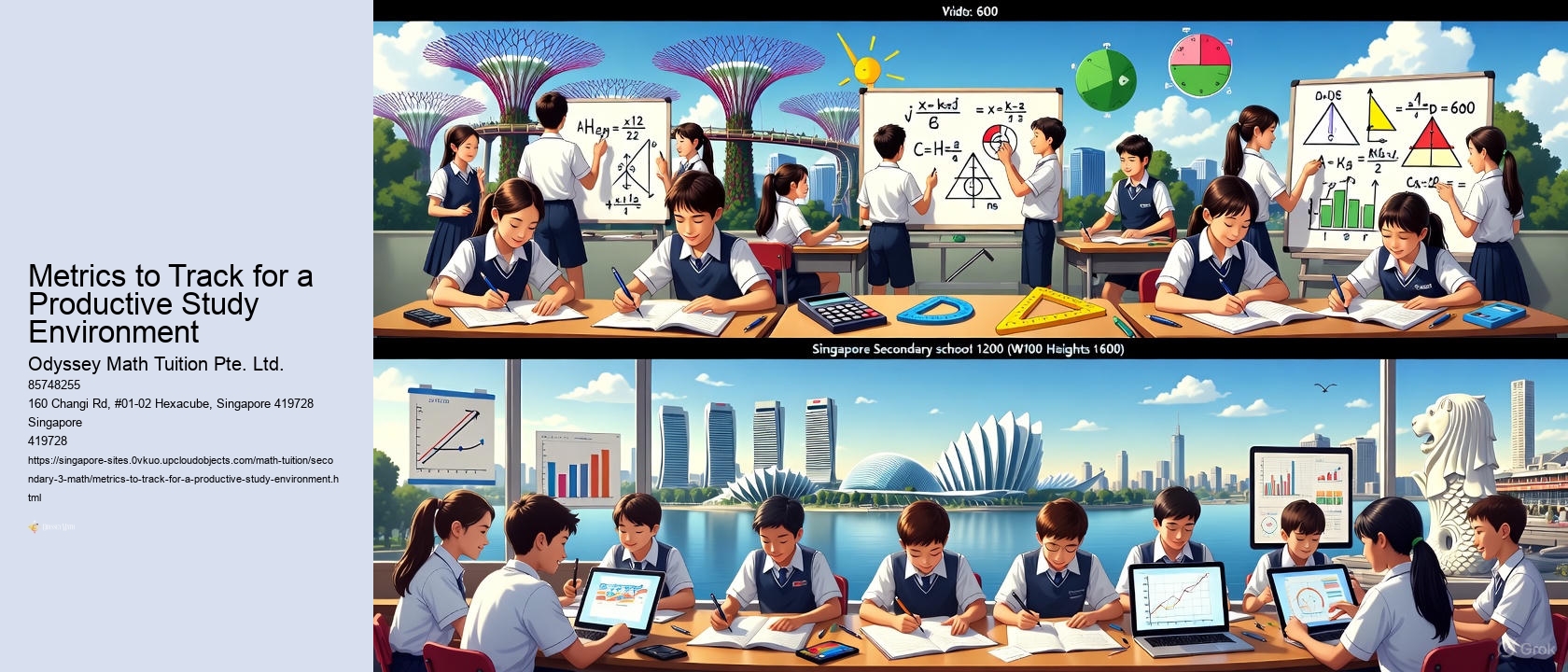
Alright, Secondary 3 parents and students, listen up! It's crunch time, lah! We know the pressure is on. 'O' Levels are looming, and that Math... sometimes it feels like another language, right? In today's fast-paced educational scene, many parents in Singapore are hunting for effective methods to boost their children's comprehension of mathematical ideas, from basic arithmetic to advanced problem-solving. Creating a strong foundation early on can substantially elevate confidence and academic performance, assisting students tackle school exams and real-world applications with ease. For those considering options like secondary 3 math it's essential to focus on programs that emphasize personalized learning and experienced guidance. This approach not only addresses individual weaknesses but also cultivates a love for the subject, resulting to long-term success in STEM-related fields and beyond.. But don't worry, kanchiong spider (don't panic)! We're here to help you transform your study space from a ulu (remote) corner into a powerhouse of productivity, especially when it comes to conquering Secondary 3 Math.
Why Math, you ask? Besides being a core subject, it's the foundation for, like, EVERYTHING. Think about it: AI, coding, engineering, finance... all heavily reliant on mathematical principles. In this age of rapidly advancing AI, a strong grasp of mathematics isn't just about passing exams; it's about future-proofing your child's career. It's about giving them the edge in a world increasingly driven by algorithms and data. Want your kid to be a tech whiz or a financial guru? Master Math first!
So, how *ah*? How *to excel in Singapore Secondary 3 Math*? It's not just about mugging (cramming) until your eyes pop out. In this nation's demanding education framework, parents fulfill a crucial function in guiding their youngsters through key evaluations that shape educational trajectories, from the Primary School Leaving Examination (PSLE) which assesses fundamental abilities in areas like mathematics and science, to the GCE O-Level tests focusing on secondary-level expertise in diverse disciplines. As pupils progress, the GCE A-Level examinations require more profound critical capabilities and subject command, commonly deciding university placements and career trajectories. To remain well-informed on all aspects of these local assessments, parents should investigate authorized information on Singapore test papers offered by the Singapore Examinations and Assessment Board (SEAB). This ensures access to the most recent programs, assessment timetables, registration details, and standards that align with Ministry of Education requirements. Consistently checking SEAB can assist families prepare effectively, reduce ambiguities, and back their kids in attaining optimal outcomes during the challenging environment.. It's about smart studying, a conducive environment, and tracking the right metrics. Let's dive in!
Metrics to Track for a Productive Study Environment
Forget just logging hours; we need to get granular. Think of it like this: you wouldn't drive without checking your fuel gauge, right? Same goes for studying! Here's what you should be monitoring:
Time on Task (Focused vs. Distracted): How long can your child *actually* focus on Math before their mind wanders to TikTok or *lepak* (chilling) with friends? Use apps like Forest or Freedom to block distractions and track focused study time. Even better, do it the old-school way with a timer and a notebook!
Problem-Solving Rate: How many Math problems can they solve correctly in a set amount of time? This isn't about speed, but about accuracy and understanding. Track the number of attempts versus successful solutions.
Error Analysis: Where are the common mistakes happening? Are they consistently struggling with algebra, geometry, or trigonometry? Identifying these weak spots is crucial for targeted revision.
Conceptual Understanding: Can they explain the 'why' behind the Math? Rote learning (memorizing) only gets you so far. Test their understanding by asking them to teach you the concepts! If they can explain it, they truly understand it.
Sleep Quality & Duration: This is HUGE! A tired brain is a useless brain. Track sleep patterns using a fitness tracker or sleep app. Aim for 8-10 hours of quality sleep each night.
Breaks & Recharge Time: Are they taking regular breaks? The Pomodoro Technique (25 minutes of focused work followed by a 5-minute break) can be a game-changer. Track how often they take breaks and what they do during those breaks. Are they truly recharging, or just scrolling through social media?
Fun Fact: Did you know that Singapore consistently ranks high in international Math assessments like TIMSS and PISA? Our education system emphasizes problem-solving and critical thinking, which are essential for success in Math and beyond!
Creating a Conducive Study Environment
A productive study environment isn't just about a quiet room. It's about creating a space that fosters focus, minimizes distractions, and promotes well-being. Think of it as building a Math sanctuary!
Dedicated Study Space:
Minimize Distractions: A dedicated study area, free from distractions like phones, TVs, and noisy siblings, is essential.
Ergonomics Matter: Invest in a comfortable chair and desk to prevent back pain and fatigue. Good posture promotes better focus.
Lighting is Key: Ensure adequate lighting to reduce eye strain. Natural light is ideal, but a good desk lamp will also do the trick.
In the rigorous world of Singapore's education system, parents are ever more focused on arming their children with the skills needed to excel in rigorous math programs, encompassing PSLE, O-Level, and A-Level preparations. Identifying early signs of struggle in subjects like algebra, geometry, or calculus can create a world of difference in fostering tenacity and expertise over intricate problem-solving. Exploring dependable math tuition Singapore options can deliver customized support that aligns with the national syllabus, making sure students gain the edge they want for top exam scores. By focusing on dynamic sessions and consistent practice, families can support their kids not only meet but surpass academic expectations, paving the way for prospective chances in demanding fields..
Organization is Paramount:
Declutter Regularly: A clean and organized workspace promotes a clear and focused mind. Get rid of unnecessary clutter and organize study materials efficiently.
Color-Coding System: Use color-coded folders and notebooks to categorize different Math topics. This makes it easier to find what you need quickly.
Technology Management:
App Blocking: Use website and app blockers to limit access to social media and other distracting websites during study sessions.
Noise-Canceling Headphones: Invest in a good pair of noise-canceling headphones to block out external distractions.
Interesting Fact: The abacus, an ancient calculating tool, is still used in some parts of the world to teach basic arithmetic. It's a testament to the enduring power of visual and tactile learning!
By tracking these metrics and creating a supportive study environment, you're not just helping your child *how to excel in Singapore Secondary 3 Math*; you're equipping them with the skills and habits they need to succeed in all aspects of life. So, let's get started, hor? Your child's future is counting on it!
How can tracking study time help my Sec 3 child improve their grades?
Tracking study time helps identify time-wasting activities, allowing for better time management and focused study sessions, ultimately leading to improved grades.
Whats the best way to track my Sec 3 childs study habits?
Use a study planner, app, or spreadsheet to record study time, subjects covered, and breaks. Review this data regularly to identify patterns and areas for improvement.
Why is it important to monitor my Sec 3 childs understanding of concepts?
Monitoring understanding helps identify knowledge gaps early, allowing for timely intervention and preventing these gaps from hindering progress in more advanced topics.
How can I measure the effectiveness of my Sec 3 childs study techniques?
Track practice test scores and quiz results to assess how well study techniques are translating into actual understanding and retention of the material.
What role does tracking distractions play in creating a productive study environment for my Sec 3 child?
Identifying and tracking distractions (e.g., social media, phone usage) helps minimize them, leading to more focused study sessions and better retention of information.
How does setting and tracking study goals contribute to my Sec 3 childs academic success?
Setting specific, measurable, achievable, relevant, and time-bound (SMART) study goals and tracking progress towards them provides motivation and a sense of accomplishment, fostering a more productive study environment.
What are some key metrics to monitor to ensure my Sec 3 childs study environment is conducive to learning?
Track study time, concept understanding, practice test scores, distractions, and progress towards study goals to ensure a productive and effective learning environment.