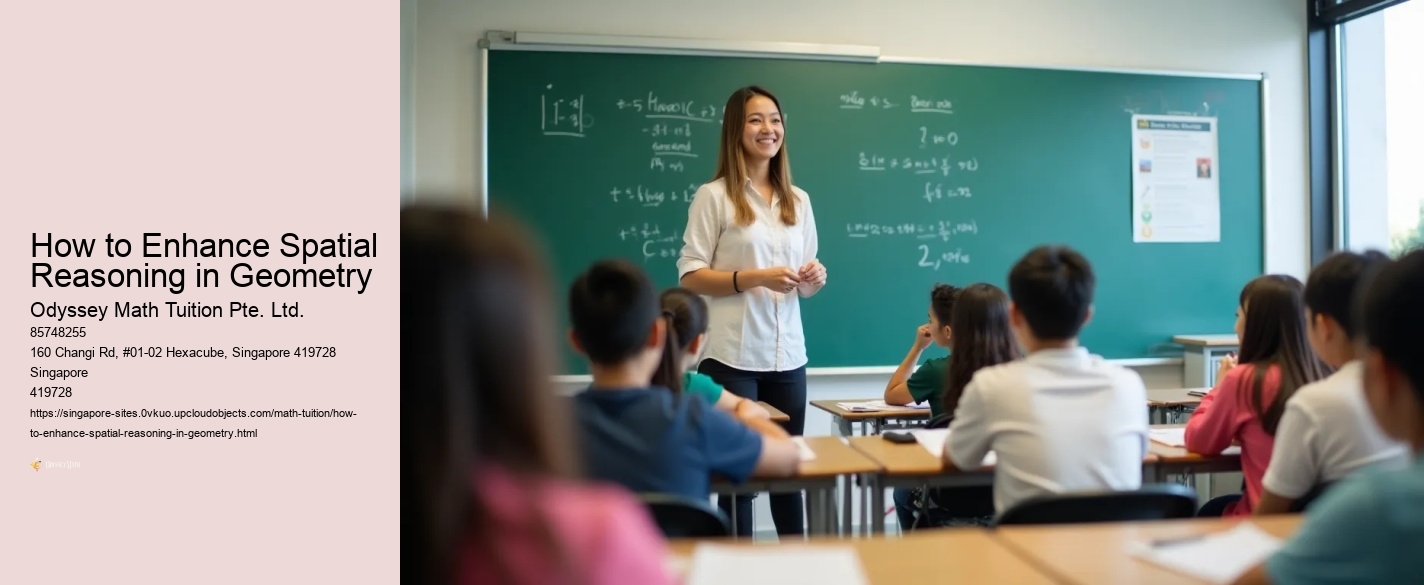
Imagine a classroom humming with lively chatter, where students are deeply engaged in tasks that transform abstract numbers and shapes into tangible, shared discoveries. This is the power of collaborative learning in geometry, where the journey to enhancing spatial reasoning begins not in isolation but in the vibrant exchange of ideas. For parents in Singapore eager to see their children excel in Secondary 1 mathematics, fostering an environment that encourages group activities and peer interactions can be transformative.
The Magic of Group Dynamics
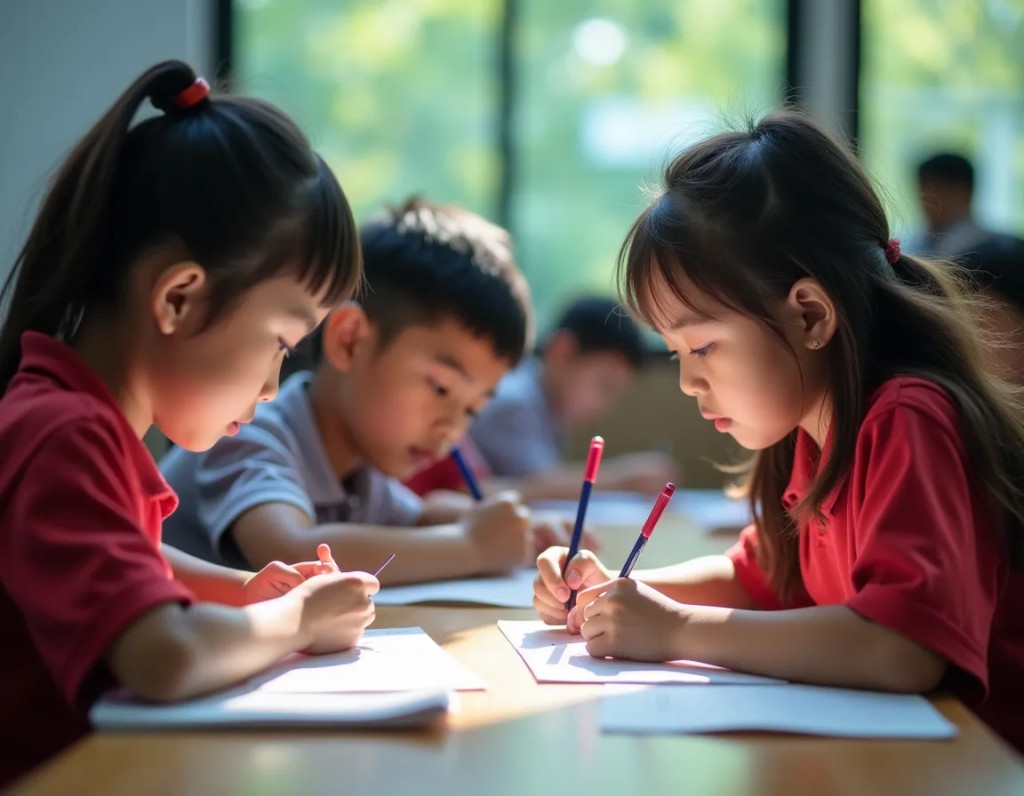
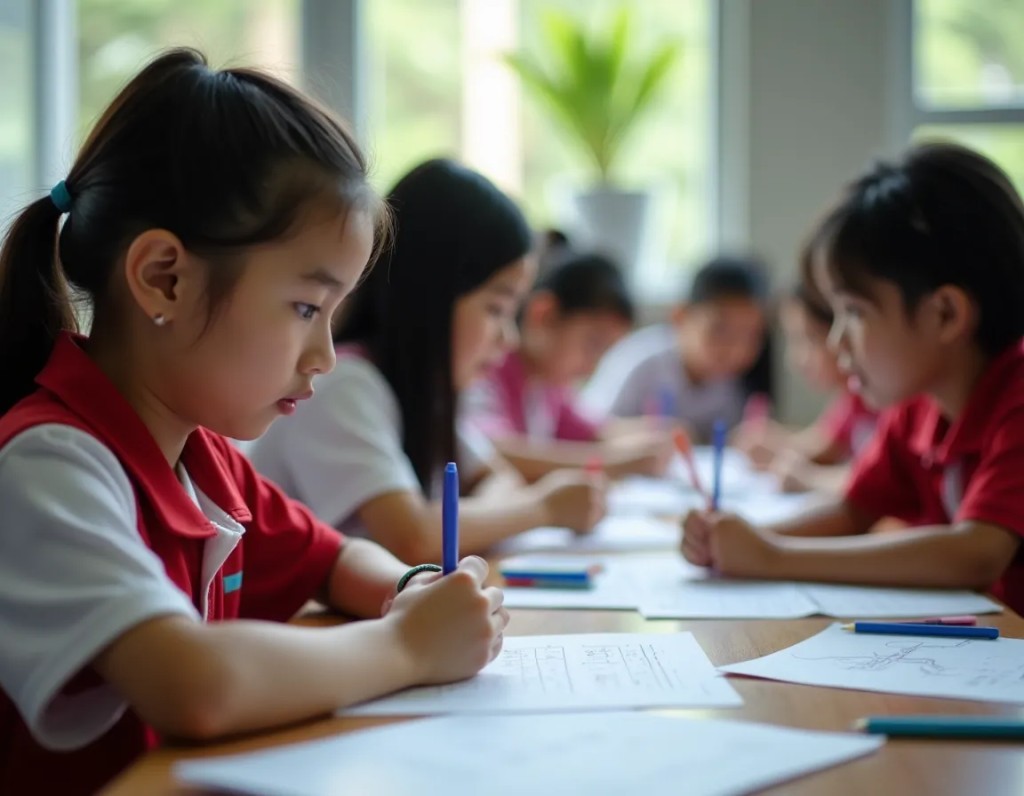
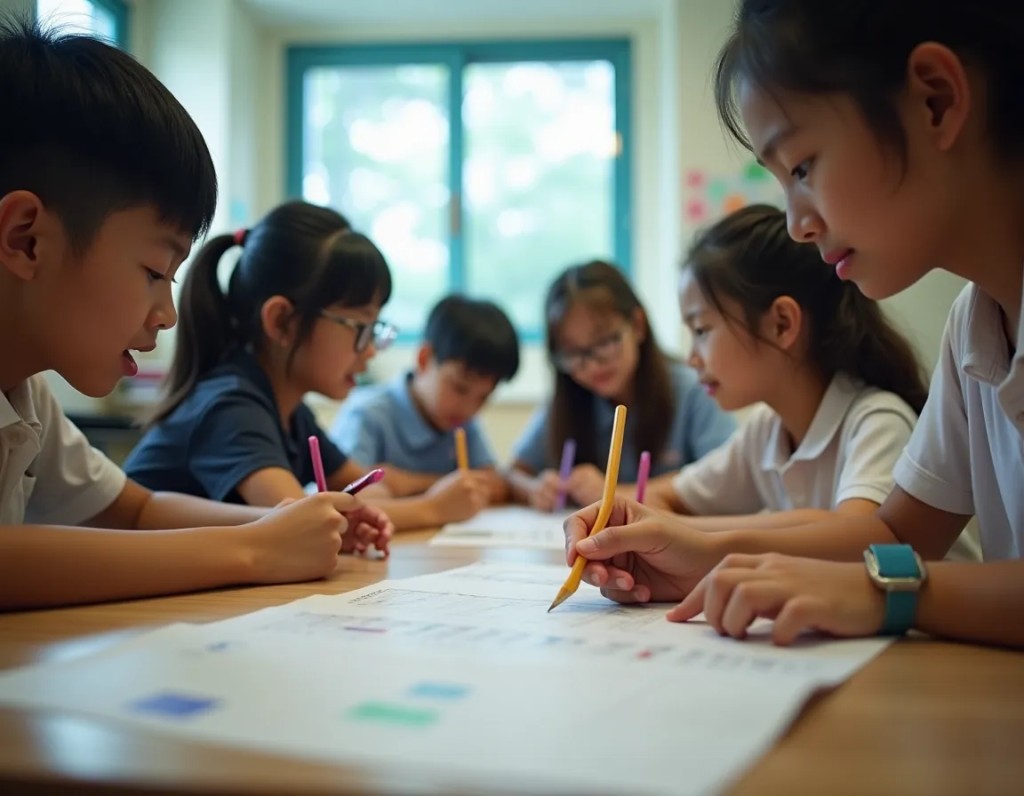
Picture this: a group of students gathered around a large sheet of paper, sketching geometric shapes, debating angles, and correcting each other's misconceptions. Could these sessions unlock a deeper understanding of geometry? Research shows that collaborative learning not only enhances comprehension but also boosts spatial reasoning skills. When students articulate their thought processes, they reinforce their own understanding while simultaneously gaining insights from their peers. This dynamic is especially beneficial in a subject like geometry, where visualizing spatial relationships is key.
- Studies indicate that students working in groups tend to retain information longer and develop higher-level thinking skills.
From the Classroom to Real Life: The Importance of Geometry Skills
At its core, geometry is not just about memorizing theorems and formulas; it's about developing a way of thinking that applies to the real world. Consider the intricate designs of a modern skyscraper or the precise angles needed in a robotics project. These real-world applications of geometry underscore its importance. For Secondary 1 students, mastering basic geometry topics—shapes, angles, and spatial reasoning—lays the foundation for more advanced mathematical concepts and problem-solving skills.
- Leonardo da Vinci's use of geometry in his artwork exemplifies the intersection of math and creativity.
Shapes and Angles: The Building Blocks
Understanding the properties of shapes and the relationships between angles is akin to learning the alphabet before writing a novel. When students explore these concepts collaboratively, they can build models, engage in hands-on activities, and solve puzzles that make the abstract concrete. This experiential learning is invaluable and can be further supported by Secondary 1 Math Tuition, which often provides tailored programs to reinforce these skills.
The Role of Secondary 1 Math Tuition
In Singapore, Secondary 1 Math Tuition serves as a bridge between classroom learning and individual comprehension. These sessions often incorporate group activities that mirror the collaborative learning environment of a classroom, but with the added benefit of focused attention on each student's unique needs. Tutors can guide students through challenging topics, address gaps from primary-level math, and ensure a smooth transition to more complex secondary topics.
Peer Interaction: A Catalyst for Growth
Imagine a young student, hesitant to speak up in a large classroom, finding their voice in a smaller group during a tuition session. Peer interaction in such settings encourages students to express themselves, ask questions, and engage in problem-solving discussions. This not only builds confidence but also fosters a sense of community and shared learning.
- Peer tutoring has been shown to improve students' academic performance and social skills.
Innovative Approaches: Making Geometry Fun
What if learning geometry could feel like an adventure? Incorporating games and technology into the learning process can make this possible. Interactive apps and online platforms allow students to manipulate shapes and visualize geometric concepts in 3D, making learning engaging and fun. These tools can be seamlessly integrated into both classroom settings and Secondary 1 Math Tuition, providing students with diverse ways to explore geometry.
- Augmented reality tools are increasingly being used in classrooms to bring geometric concepts to life.
Challenges and Innovations
Despite the benefits, collaborative learning in geometry does come with challenges, such as managing different learning paces and ensuring active participation from all students. However, innovative teaching methods and the strategic use of technology can address these issues. By creating a supportive environment where students feel comfortable sharing ideas, educators and tutors can turn these challenges into opportunities for growth.
Envisioning the Future
As we look to the future, the importance of spatial reasoning and geometry skills will only continue to grow. In a world increasingly driven by technology and innovation, the ability to think spatially and solve complex problems is invaluable. By encouraging collaborative learning and supporting students through Secondary 1 Math Tuition, parents and educators can equip the next generation with the tools they need to succeed.
So, what if we embraced the power of collaboration and creativity in learning? The possibilities are as limitless as the imaginations of the students themselves, ready to shape the future with their newfound understanding of the world around them.