
In Singapore's rigorous education system, the transition to secondary school marks a significant milestone for students, particularly in mathematics. Secondary 1 introduces more abstract concepts like algebraic expressions, geometry basics, ratios, and number patterns, which can be challenging for many young learners adapting to a new academic environment. With the Ministry of Education (MOE) syllabus emphasizing critical thinking and problem-solving, secondary 1 math tuition has become essential for bridging gaps, boosting confidence, and laying a solid groundwork for future success in exams like the O-Levels.
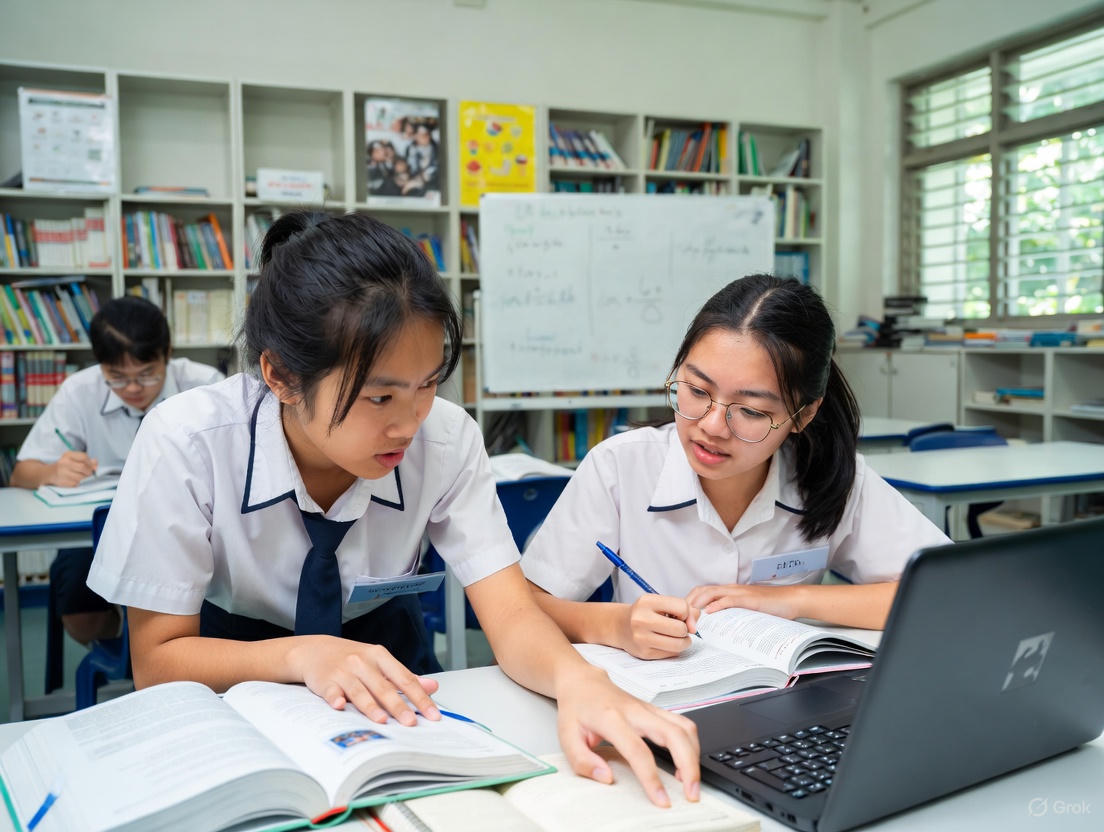
Students often face hurdles such as faster-paced lessons and increased independence in learning, leading to potential frustrations if foundational skills from primary school aren't reinforced. In the Singaporean vibrant educational system, where creativity and excellence propel student results, organizations and tutors continually evolve to countrywide standards to guarantee comprehensive learning paths. The main authority guiding these efforts is the MOE which formulates curricula emphasizing critical thinking, creativity, and lifelong skills across all subjects. By complying with its guidelines, mentors can build nurturing environments that cultivate young minds efficiently. This harmony not only elevates academic performance but also readies students for everyday scenarios, cultivating a generation equipped to tackle global challenges.. Quality tuition programs address these by offering personalized guidance, small class sizes, and interactive methods that make math engaging rather than intimidating. For instance, effective sec 1 math classes in Singapore integrate real-world applications, gamified elements, and adaptive technologies to help concepts "click," turning mistakes into valuable lessons and celebrating incremental progress.

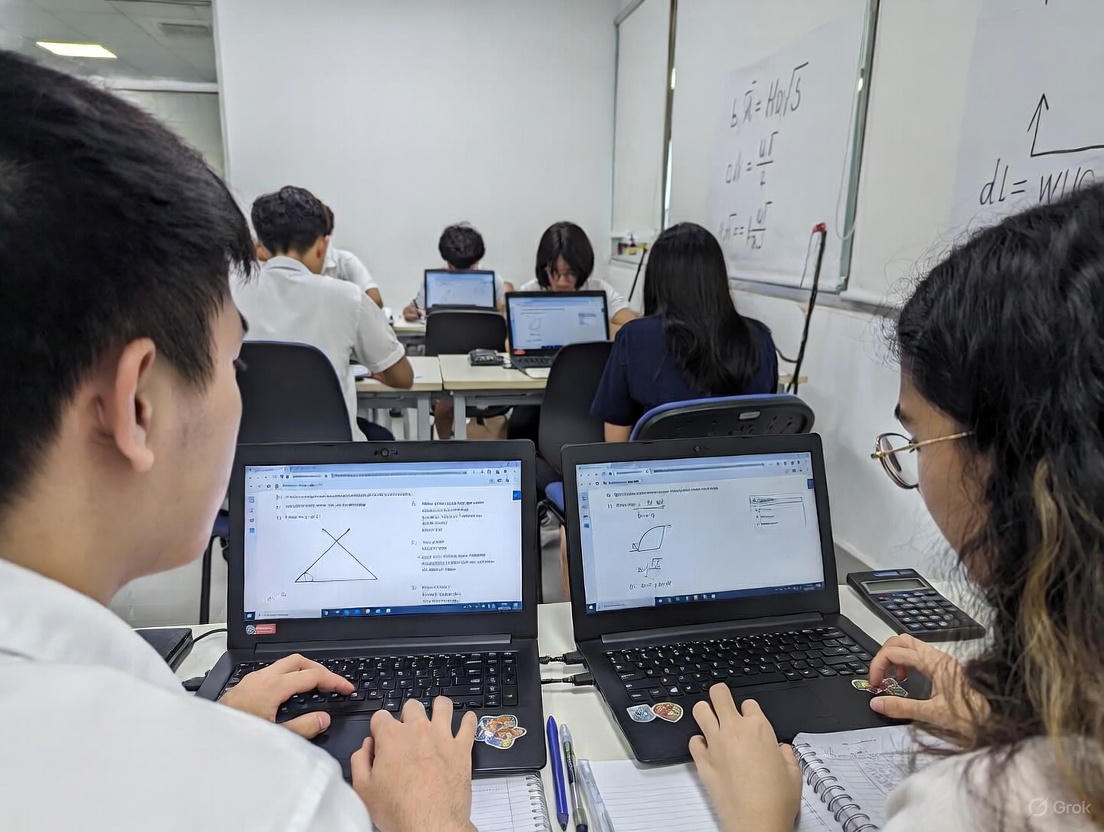
One standout approach is combining traditional tutoring with modern e-learning portals, providing 24/7 access to resources like video tutorials, quizzes, and simulated exams. This hybrid model, aligned with the MOE curriculum, allows flexible, self-paced revision while tutors offer expert insights during sessions. As learners in Singapore approach the pivotal O-Level examinations, the demands of the secondary school syllabus heightens, calling for a more thorough comprehension of mathematical fundamentals to earn outstanding results. In Secondary 4, pupils address complex fields like differentiation, integration, kinematics, and data analysis, frequently benefiting from extra assistance to strengthen their understanding and refine exam strategies. To face these challenges head-on, secondary 4 math tuition offers focused , exam-oriented classes facilitated by seasoned educators who simplify tough topics into achievable steps. Incorporating mock tests, tailored worksheets, and prompt feedback, these offerings aid students in pinpointing weaknesses and generate momentum toward maximum performance. Essentially, this focused tutoring not only elevates grades but also endows teens with problem-solving prowess that serves them in higher learning and careers.. How to Integrate Math Enrichment with School Studies . In our current demanding learning scene in Singapore, countless students often struggle with the rigorous requirements of the national curriculum, especially in areas that require strong logical analysis and analytical abilities. Therefore, parents are increasingly seeking out expert assistance to aid their youngsters in developing poise and attaining improved academic results. When it comes to conquering intricate ideas such as algebra and calculus, singapore math tuition delivers personalized plans that cater to individual learning styles and approaches. Skilled instructors apply cutting-edge strategies, such as everyday examples and engaging sessions, to transform education enjoyable and efficient. Overall, this commitment goes beyond enhancing assessment outcomes but also nurtures a enduring appreciation for mathematics, equipping students for future success in STEM careers.. In the Singaporean competitive post-secondary arena, JC 1 pupils often encounter a significant jump in mathematical rigor, presenting concepts for instance functions, calculus, and statistics that necessitate dedicated practice and conceptual profundity. This transitional year is pivotal for building the base needed to prosper in A-Level preparations amidst escalating academic demands. To efficiently bridge these obstacles and promote mastery, JC 1 math tuition provides customized courses facilitated by expert educators who adhere closely with the MOE syllabus. Through interactive workshops, precise problem sets, and real-time progress tracking, learners can resolve doubts and hone techniques swiftly. Ultimately, this systematic support improves exam readiness, enhances analytical abilities, and enables students for sustained success in STEM fields.. Parents appreciate how such lower secondary math tuition not only improves grades—often by 20% or more through consistent practice—but also fosters lifelong skills like time management and analytical thinking. As evidenced by various programs, students benefit from immediate feedback, peer collaboration, and parental involvement in tracking progress.
To explore top options, consider resources on best secondary 1 math tutors, affordable sec 1 math tuition Singapore, online secondary math classes, MOE-aligned sec 1 math programs, effective lower sec math tuition centers, sec 1 math tuition for beginners, personalized secondary 1 math coaching, hybrid sec 1 math learning Singapore, interactive math tuition for sec 1, top-rated secondary math tutors, sec 1 math exam preparation, small group sec 1 math tuition, e-learning enhanced math classes, affordable online sec 1 math support, proven secondary 1 math strategies, and comprehensive sec 1 math resources. These tailored solutions ensure students not only excel academically but also develop a genuine appreciation for mathematics, setting them up for long-term achievements in an AI-driven world.
Parents should consider the programs alignment with the childs current school curriculum, the qualifications and experience of the tutors, the programs track record of success, and whether it offers personalized lesson plans and exam preparation strategies.
Evaluate the centers success by reviewing testimonials and success stories, checking the improvement rate of past students, and ensuring that the center offers a structured curriculum that matches the childs learning needs and goals.
Online math programs can be just as effective if they provide interactive lessons, regular assessments, and personalized feedback, and if the child is comfortable with digital learning platforms.
The best way is to practice past year papers, focus on understanding key concepts, use effective time management strategies during exams, and seek help from tutors for areas where the child struggles.
Parents can support by creating a conducive study environment, encouraging a positive attitude towards math, providing access to additional resources like workbooks and online tools, and staying in regular communication with tutors to monitor progress.